Portable AEDs and Hospital Defibrillators: What’s the Difference?
When you think of a defibrillator, a hospital might spring to mind; but that’s not the only place these life-saving devices are used.
Many people assume all defibrillators are the same. However, there are different types intended for different users.
Portable automated external defibrillator (AED) devices are designed for public and community use and help bridge the gap before emergency services arrive. Hospital defibrillators are used by trained medical professionals. Both are defibrillators but they are found in different places.
There’s a little more to it than that, which is why we wrote this article to cover the main types of defibrillators. Read on to learn more about what portable AEDs and hospital defibrillators are; how they work and the differences between them.
What is an AED defibrillator?
AED is short for automated external defibrillator. The device is designed to treat sudden cardiac arrest. It does this by analysing your heart rhythm and delivering a shock – if needed – to restore a normal heartbeat¹.
Portable AEDs enable treatment to start quickly, allowing people to respond to an emergency at home. With survival rates dropping by 10 per cent with each minute following a sudden cardiac arrest², the ability to respond with rapid care for a loved one offers portable AED owners peace of mind.
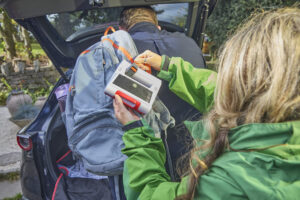
Increasingly found in the home and workplaces such as offices and retail environments, along with community spaces, like schools and libraries, portable AED technology has increased access to life-saving treatment. Out-of-hospital cardiac arrest outcomes are being improved, with portable AED users able to deliver critical interventions when and where they are needed. Learn more about how portable AEDs including HeartHero are making a difference in emergencies. Head over to the MyDefib – About Us page
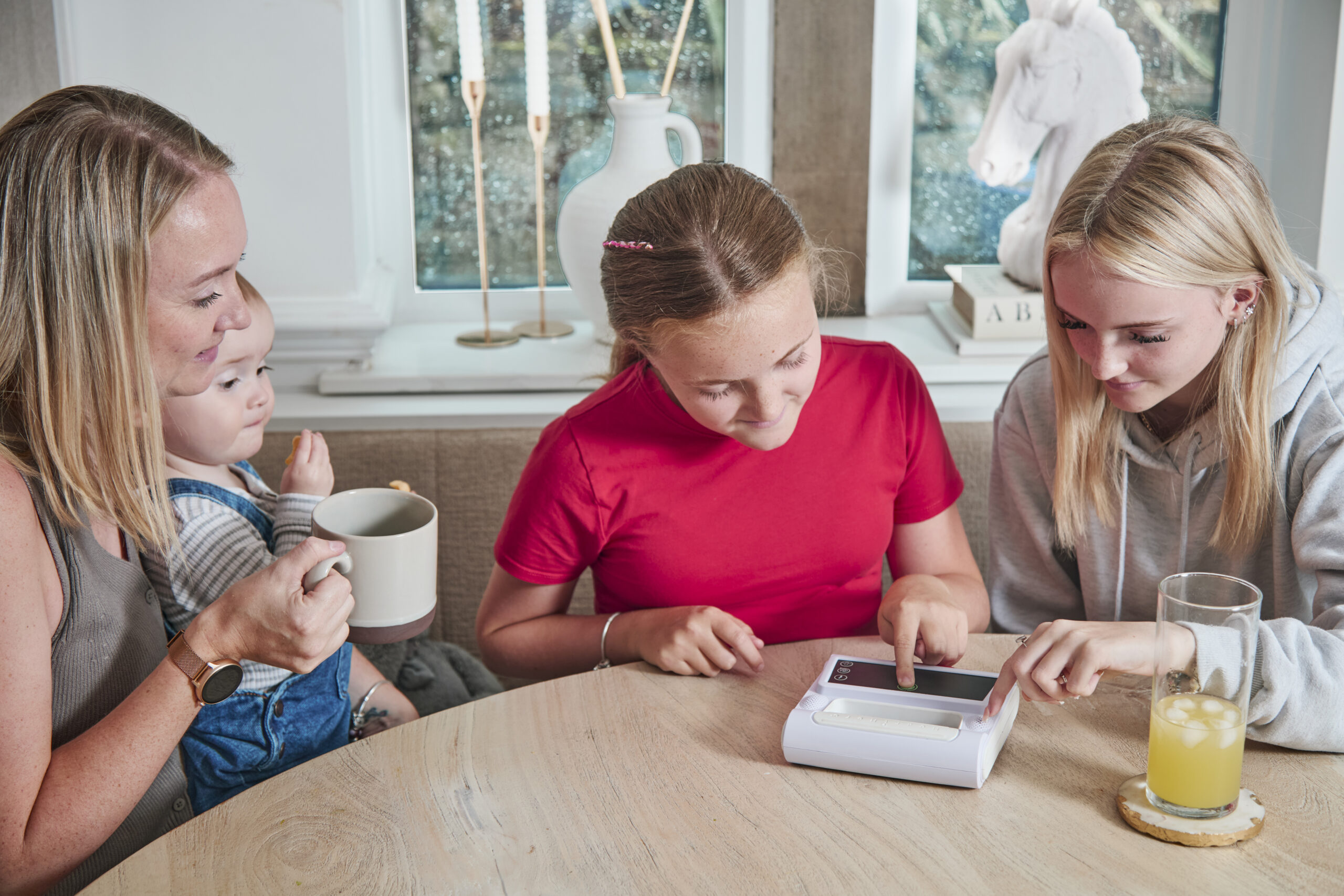
How portable AEDs work compared to hospital defibrillators
Let’s look more closely at the key differences between portable AEDs and hospital defibrillators:
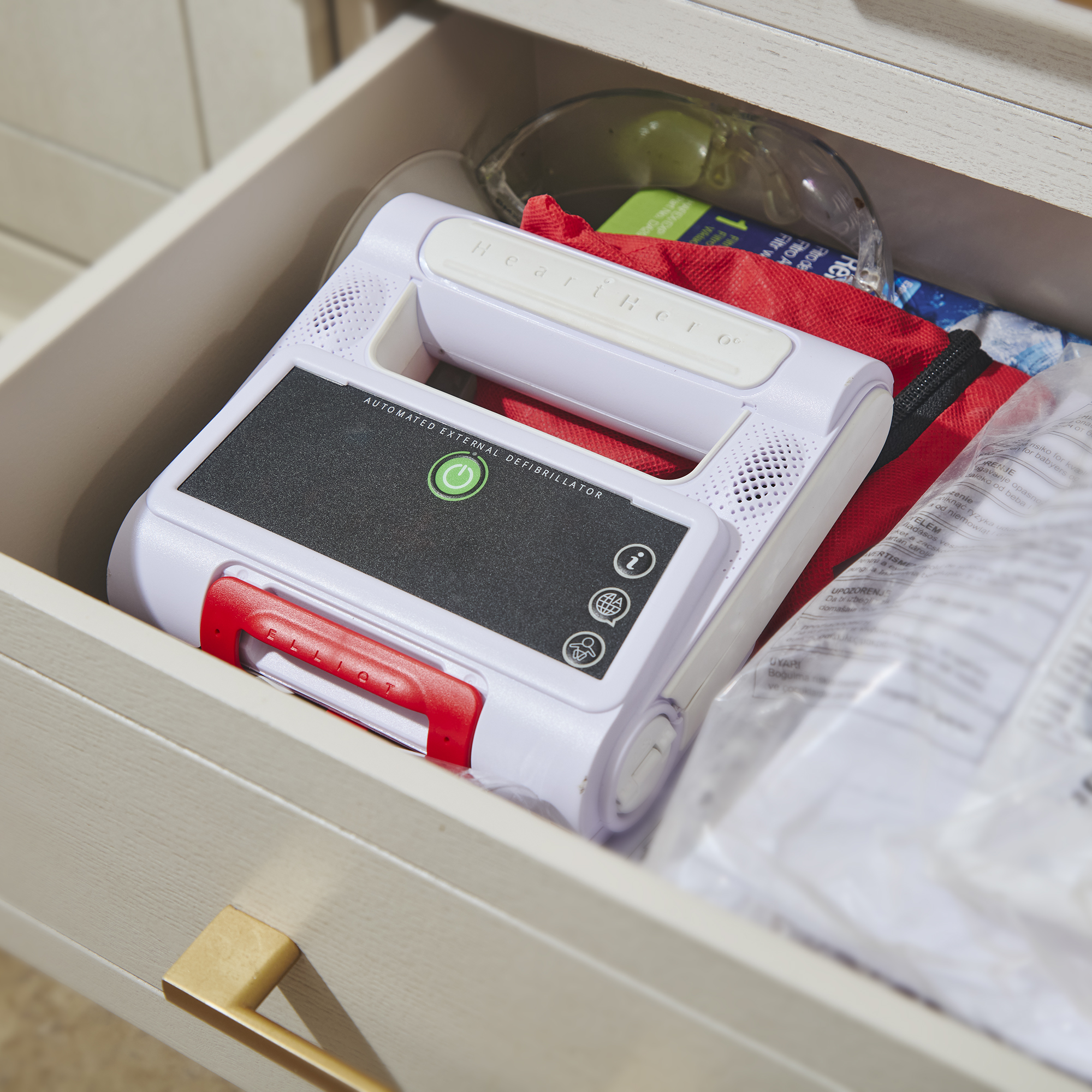
The Use
A portable defibrillator is a rescue device for sudden cardiac arrest; accessible to anyone and simple to use for both adults and children. It offers clear voice instructions and visual prompts, making the process as straightforward as possible for laypeople with no medical training. The electrode pads are simply placed on a person’s chest, before the device analyses their heart rhythm and delivers a shock if needed.
Portable AEDs have several built-in safeguards – they won’t deliver a shock unless analysis determines it is necessary and their shock energy levels are pre-programmed.
A hospital defibrillator is a manual, external defibrillator that is designed to be used by trained medical professionals in healthcare settings. In contrast to the automation of portable AEDs, hospital defibrillators allow the doctor to decide when, and how frequently, a shock is delivered, as well as the strength of the shock.
Safety features include sync mode, which prevents shock during the dangerous parts of the heartbeat and controls that guard against accidental shock delivery.
The User
As we have touched upon, while a hospital defibrillator is designed for use by trained medical personnel, portable AEDS can be used by everyday people, in everyday life. There is no complex functionality, and portable AEDs are intended to be used in public spaces where there is no professional medical guidance available.
In comparison, hospital defibrillators rely on the know-how and experience of doctors. These devices typically have additional functions that portable AEDs do not, such as patient monitoring and pacing (the ability to deliver electrical pulses through the pads, which trigger the contraction of the heart muscle) requiring medical expertise.


The Environment
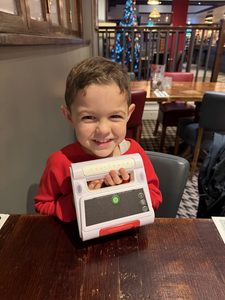
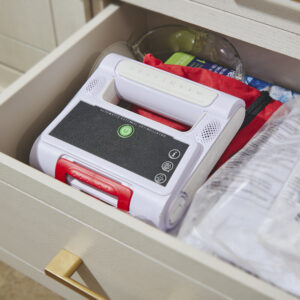
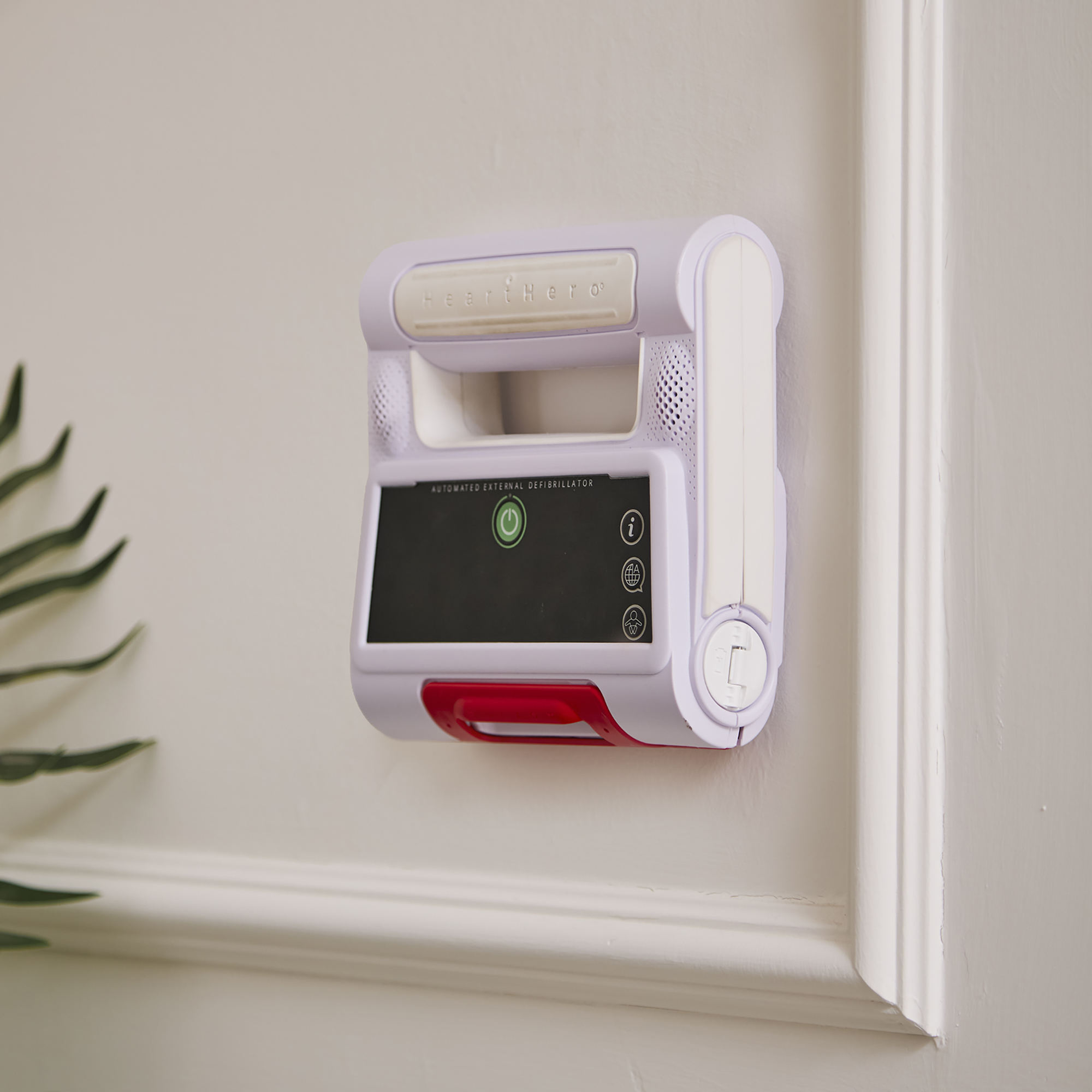
You’ll usually see portable AEDs located in wall-mounted boxes in public places, such as offices, schools, airports and stadiums, as well as in homes. They look different to hospital defibrillators. They’re smaller – about the size of a small briefcase – and come in small kits containing the device, replacement pads and batteries.
Hospital defibrillators are a pair of hand paddles connected to a monitor. They are usually kept in a resuscitation trolley, commonly known as a crash cart, and are significantly larger and heavier than portable AEDs.
Ultimately, portable AEDs such as HeartHero are intended for fast, first-response use, providing access to early defibrillation, which improves survival outcomes. They have automated design and simple, intuitive controls that give confidence to members of the public who are not medically trained, as opposed to hospital defibrillators, which are clinician-controlled pieces of medical equipment.
Conclusion
Both portable AED defibrillators and hospital defibrillators play important roles in cardiac care. Portable AED devices allow life-saving treatment to begin before medical teams arrive, significantly improving sudden cardiac arrest outcomes.
AED defibrillators are designed to be user-friendly and understanding their simple operating procedure can help you care for loved ones, responding calmly and confidently should an emergency arise. As access to portable AED devices such as WEL Medical HeartHero increases³, the UK is stepping up its cardiac arrest response in everyday environments.
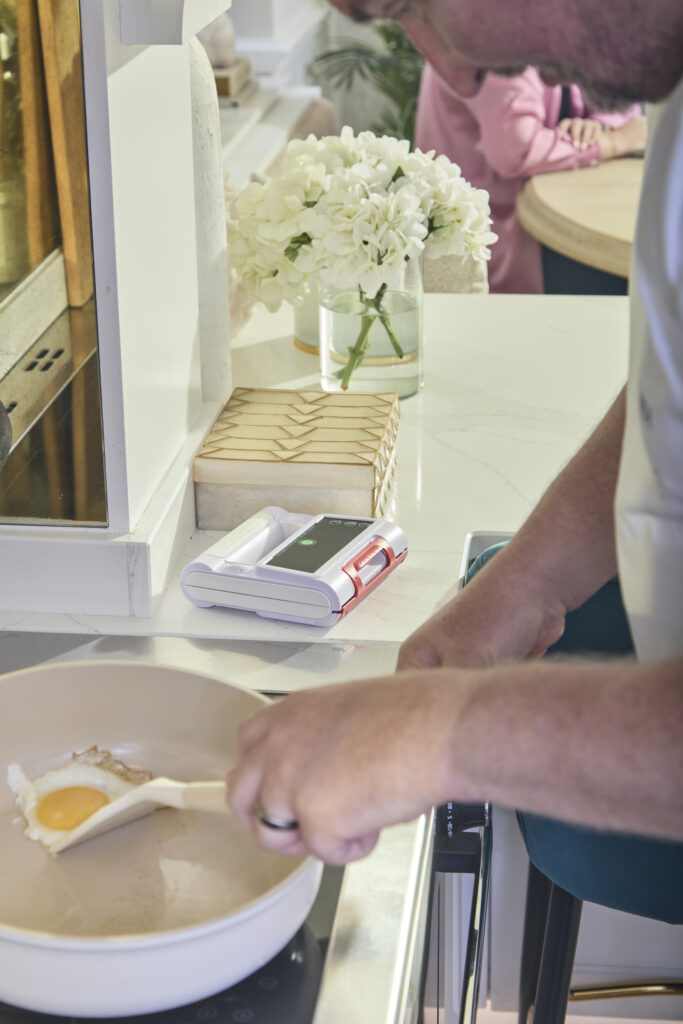
Hear how HeartHero makes a difference
-
Read more: How to Update Your HeartHero

How to Update Your HeartHero
Easily update your HeartHero AED with Bluetooth technology, keeping your device up to date with the latest firmware.
-
Read more: A tale of two heroes, big and small – Dave and Ezra’s story

A tale of two heroes, big and small – Dave and Ezra’s story
When five-year-old Ezra packs his school bag, his compact HeartHero AED is never left behind. Born with Long QT Type…
-
Read more: JumpStart’s Jon McLeod: The Interview

JumpStart’s Jon McLeod: The Interview
JumpStart is a new campaign calling for defibrillators to be fitted in every new car sold in the UK. We…
-
Read more: How to use an AED defibrillator
How to use an AED defibrillator
When responding to an emergency, many people worry that they might do the wrong thing.
-
Read more: Heatwaves and heart health: Staying prepared during hot weather

Heatwaves and heart health: Staying prepared during hot weather
The UK is changing. Long, hot summers are becoming more common, and periods of extreme heat are no longer unusual.…
-
Read more: Portable AEDs and hospital defibrillators: What’s the difference?
Portable AEDs and hospital defibrillators: What’s the difference?
An AED – or automated external defibrillator, to use its full name – is a portable device that is designed…
-
Read more: World Cup 2026: The healthy heart of football
World Cup 2026: The healthy heart of football
As the excitement from the 2026 FIFA World Cup is at the forefront of everyone’s minds, a recent incident involving…
-
Read more: What is an AED defibrillator?
What is an AED defibrillator?
An AED – or automated external defibrillator, to use its full name – is a portable device that is designed…
-
Read more: How to support heart health during the winter

How to support heart health during the winter
According to the British Heart Foundation, heart attacks are more common during the coldest season¹. During this time of year,…
-
Read more: Defibrillator myths debunked: Time for some fact-finding!

Defibrillator myths debunked: Time for some fact-finding!
Some 80% of cardiac arrests happen at home. This blog article was written to debunk the most common defibrillator myths…