Heatwaves and Heart Health: Staying Prepared During Hot Weather
The UK is changing.
Long, hot summers are becoming more common, and periods of extreme heat are no longer unusual. Most of us think about sunscreen, staying hydrated and keeping cool.
What we don’t often think about is the extra strain hot weather places on the heart.
Why heat matters
Our bodies work hard to maintain a safe, internal temperature. When it’s hot, the heart pumps harder to move blood closer to the skin and help cool the body.
For most people, that’s not a problem.
For those living with heart disease or other cardiovascular conditions, however, the additional workload, combined with dehydration, can increase the strain on the heart and the risk of abnormal heart rhythms.
It doesn’t mean people should worry every time the temperature rises. It does mean it’s worth thinking about being prepared.
Just as many households keep smoke alarms, first aid kits and carbon monoxide detectors, for some people, a Personal Defibrillator is becoming another part of their emergency preparedness.
Looking after yourself
Simple precautions can make a real difference during hot weather:
- Stay well hydrated
- Keep your home cool
- Avoid strenuous activity during the hottest part of the day
- Wear lightweight clothing
- Check on older relatives, neighbours and anyone living with a heart condition
Small decisions made early often prevent bigger problems later.

Prepared for wherever life takes you
Summer also means holidays, days out and spending more time away from home.
If someone suffered a cardiac arrest, would you know where the nearest public access defibrillator was?
In many situations the answer is yes.
In others, it may be several minutes away.
Public access defibrillators remain essential and save lives every day.
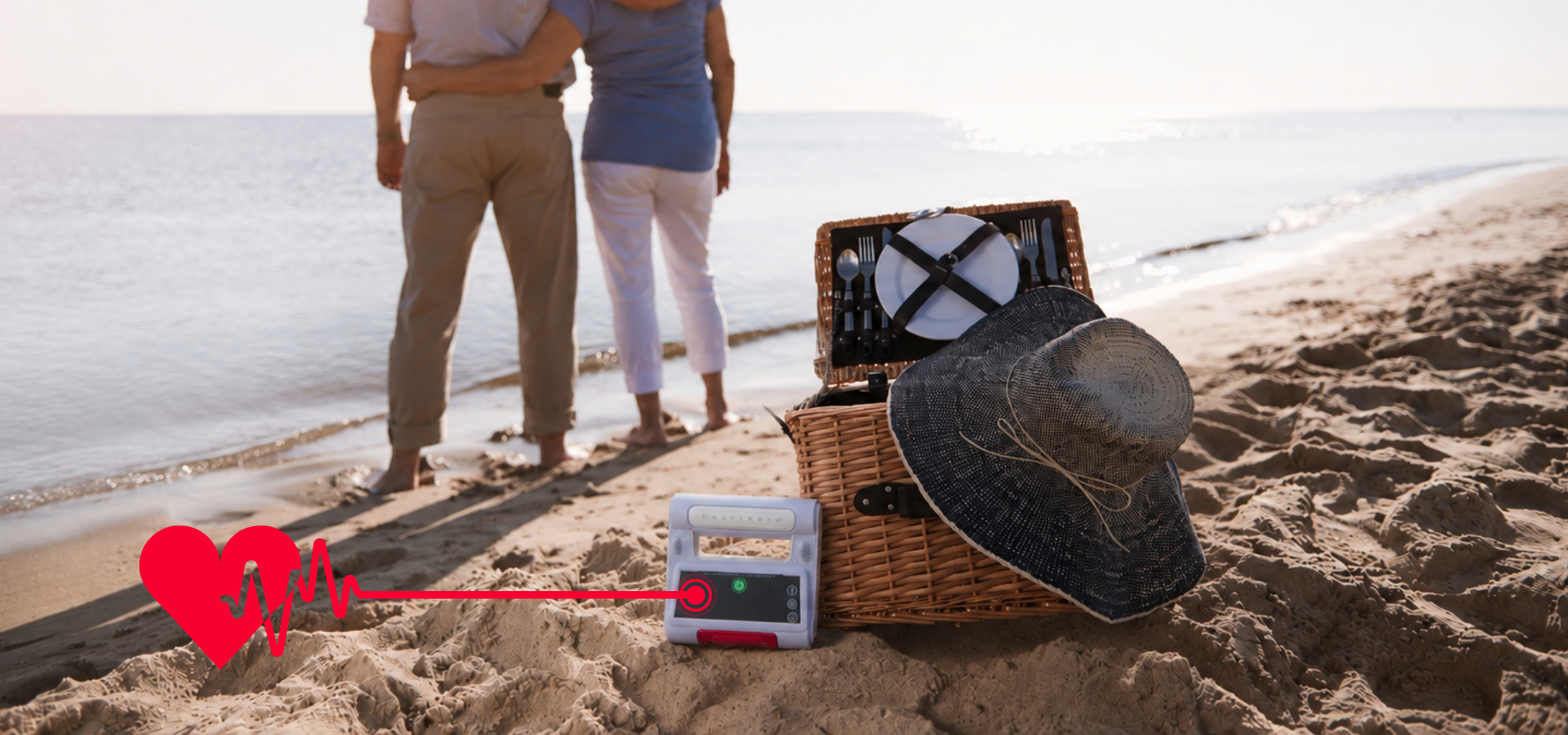
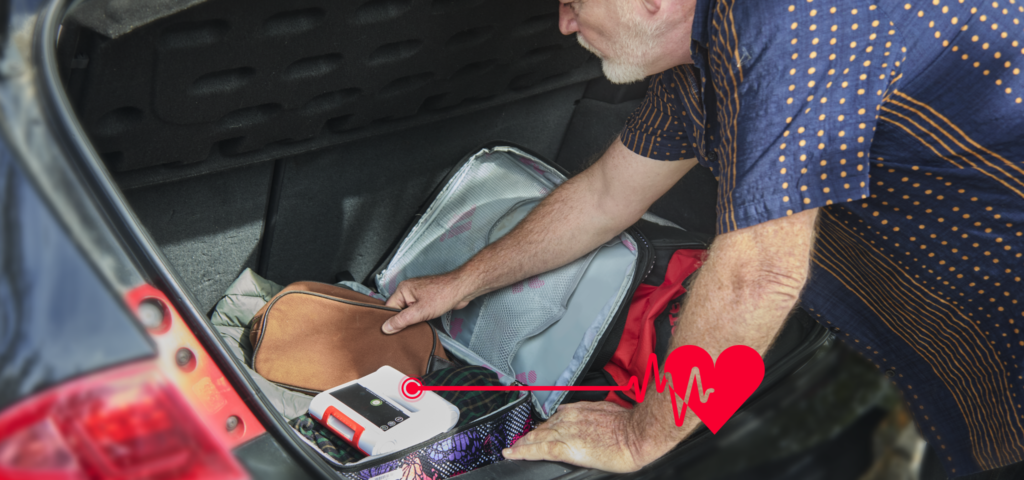
A Personal Defibrillator isn’t intended to replace them. It simply gives people another option if they want the reassurance of having a defibrillator with them at home, on holiday or while travelling.
Peace of mind
HeartHero has been designed around that idea.
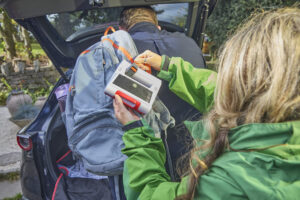
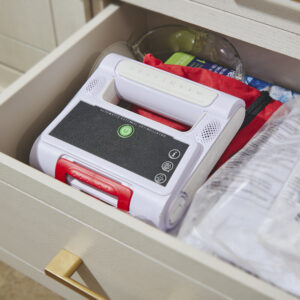
Compact, lightweight and portable, it gives families the option of having a Personal Defibrillator close at hand wherever life takes them.
Because preparedness isn’t about expecting the worst.
It’s about making sure you’re ready if the unexpected happens.
Hear how HeartHero makes a difference
-
Read more: How to Update Your HeartHero

How to Update Your HeartHero
Easily update your HeartHero AED with Bluetooth technology, keeping your device up to date with the latest firmware.
-
Read more: A tale of two heroes, big and small – Dave and Ezra’s story

A tale of two heroes, big and small – Dave and Ezra’s story
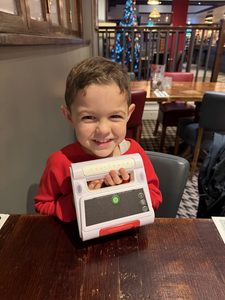
When five-year-old Ezra packs his school bag, his compact HeartHero AED is never left behind. Born with Long QT Type…
-
Read more: JumpStart’s Jon McLeod: The Interview

JumpStart’s Jon McLeod: The Interview
JumpStart is a new campaign calling for defibrillators to be fitted in every new car sold in the UK. We…
-
Read more: How to use an AED defibrillator
How to use an AED defibrillator
When responding to an emergency, many people worry that they might do the wrong thing.
-
Read more: Heatwaves and heart health: Staying prepared during hot weather

Heatwaves and heart health: Staying prepared during hot weather
The UK is changing. Long, hot summers are becoming more common, and periods of extreme heat are no longer unusual.…
-
Read more: Portable AEDs and hospital defibrillators: What’s the difference?
Portable AEDs and hospital defibrillators: What’s the difference?
An AED – or automated external defibrillator, to use its full name – is a portable device that is designed…
-
Read more: World Cup 2026: The healthy heart of football
World Cup 2026: The healthy heart of football
As the excitement from the 2026 FIFA World Cup is at the forefront of everyone’s minds, a recent incident involving…
-
Read more: What is an AED defibrillator?
What is an AED defibrillator?
An AED – or automated external defibrillator, to use its full name – is a portable device that is designed…
-
Read more: How to support heart health during the winter

How to support heart health during the winter
According to the British Heart Foundation, heart attacks are more common during the coldest season¹. During this time of year,…
-
Read more: Defibrillator myths debunked: Time for some fact-finding!

Defibrillator myths debunked: Time for some fact-finding!
Some 80% of cardiac arrests happen at home. This blog article was written to debunk the most common defibrillator myths…