World Cup 2026: The healthy heart of football
As the excitement from the 2026 FIFA World Cup is at the forefront of everyone’s minds, a recent incident involving Denmark midfielder Christian Eriksen serves as a timely reminder of the importance of being prepared for a cardiac emergency.
Eriksen’s collapse during Denmark’s recent international friendly attracted headlines around the world and reignited discussion about sudden cardiac arrest and the vital role that defibrillators can play in saving lives.
The former Manchester United and Tottenham midfielder was able to leave the pitch, conscious and in a stable condition. Reports indicate that the implantable cardioverter defibrillator (ICD) fitted following his 2021 cardiac arrest functioned as intended.
While such incidents involving elite athletes are rare, the reality is that most cardiac arrests occur away from professional sport. They happen in homes, workplaces, public spaces, on holiday and during everyday activities with family and friends.
A summer of football
This summer, millions of people will gather to watch the World Cup.
Families will host barbeques; friends will meet in pubs and fan zones; and many supporters will travel abroad and enjoy holidays while following the tournament.
For most people, football is about enjoyment, community and creating memories. However, for those living with heart conditions, a family history of cardiac issues or concerns about access to emergency medical support while travelling, major events can also bring a degree of anxiety.
Professional footballers have immediate access to medical teams and equipment. Most of us do not.
Knowing where help is
Public access defibrillators continue to play a hugely important role across the UK, but they are not always immediately accessible when people are travelling, staying in temporary accommodation, visiting friends and family or spending time away from their usual surroundings.
Having a plan in place and understanding what to do in an emergency can make a significant difference.
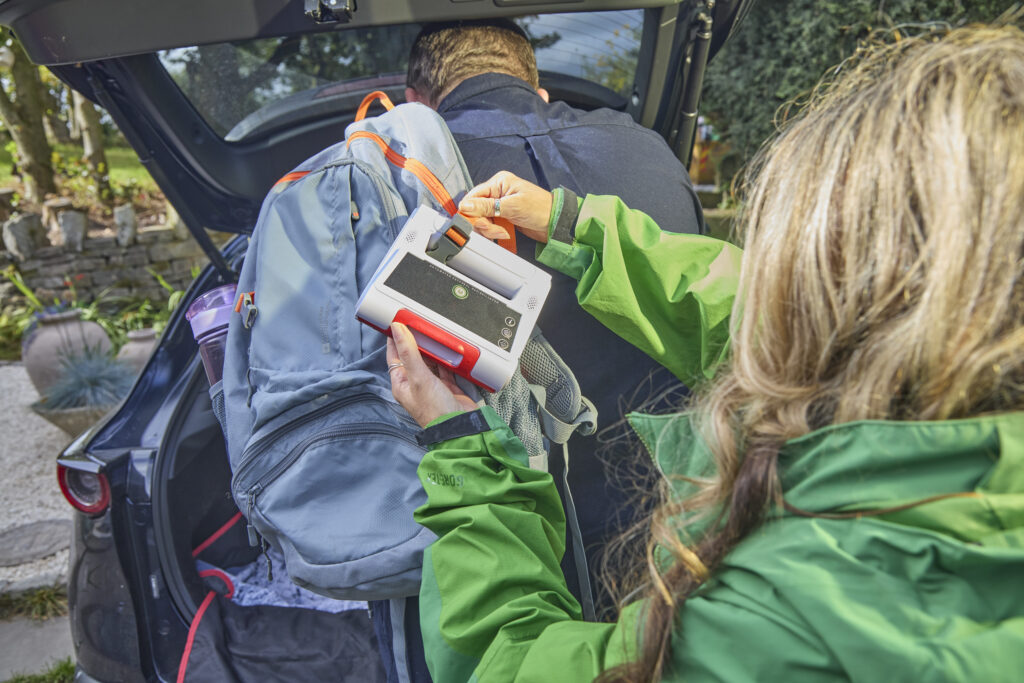
Portable AEDs for peace of mind
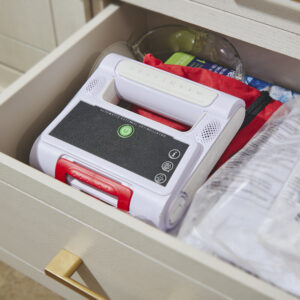
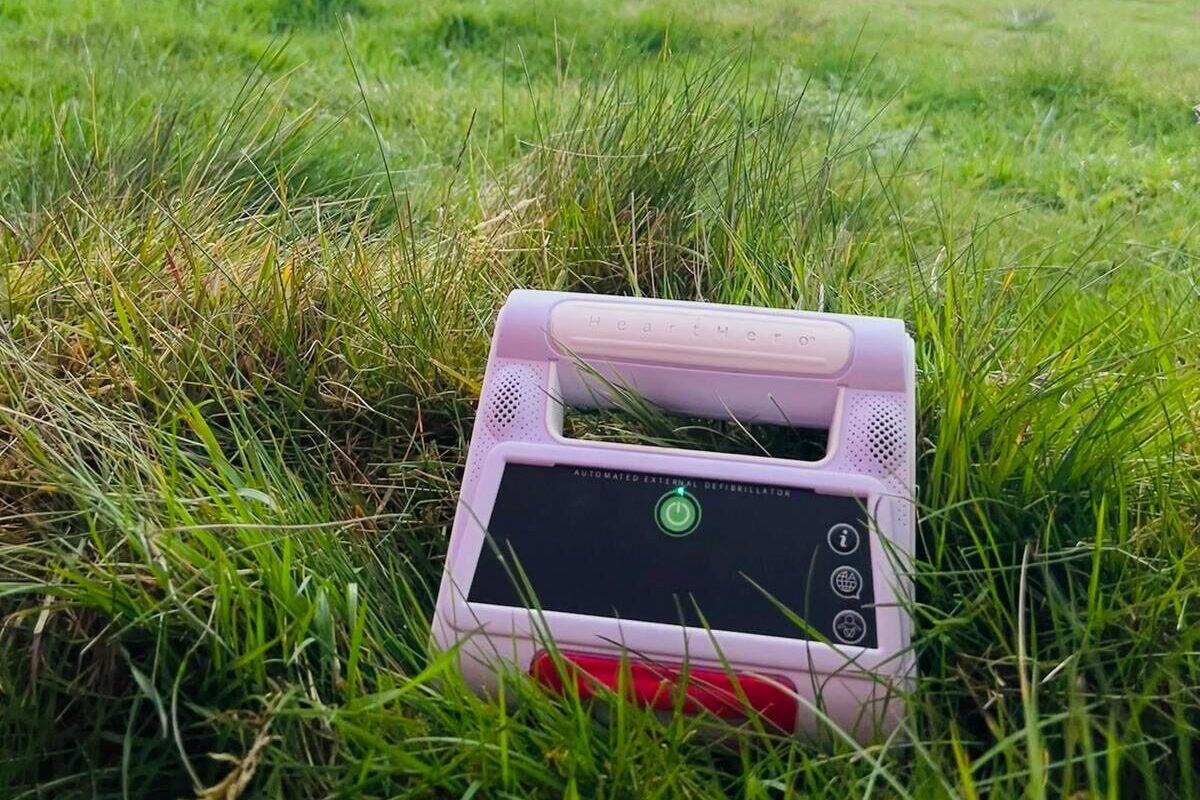
HeartHero has been designed to make defibrillator ownership more practical and accessible.
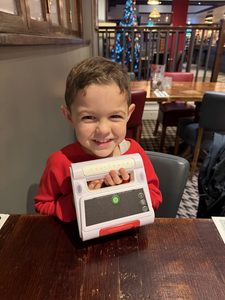
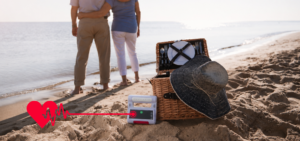
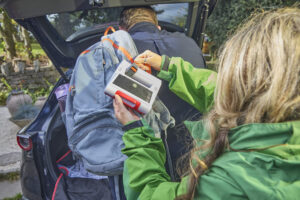
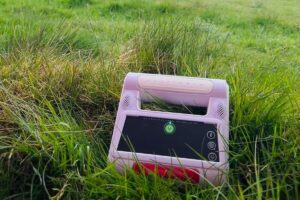
Compact, lightweight and easy to carry, it can travel with you whether you’re heading away for a weekend, taking a family holiday, staying in a caravan or motorhome or simply looking for additional reassurance at home.
The device is supported by an intuitive app and clear voice prompts, helping to guide users through the process should the unthinkable ever happen.
Importantly, HeartHero is not about replacing public access defibrillators. It’s about providing an additional option for people who want the reassurance of having a defibrillator close at hand wherever life takes them.
Enjoy the tournament
The World Cup should be about enjoying great football and spending time with the people who count most.
Having confidence in your emergency preparedness can help provide valuable peace of mind, allowing you to focus on the moments that matter.
Because, when it comes to sudden cardiac arrest, being prepared is always better than wishing you had been.
Hear how HeartHero makes a difference
-
Read more: How to Update Your HeartHero

How to Update Your HeartHero
Easily update your HeartHero AED with Bluetooth technology, keeping your device up to date with the latest firmware.
-
Read more: A tale of two heroes, big and small – Dave and Ezra’s story

A tale of two heroes, big and small – Dave and Ezra’s story
When five-year-old Ezra packs his school bag, his compact HeartHero AED is never left behind. Born with Long QT Type…
-
Read more: JumpStart’s Jon McLeod: The Interview

JumpStart’s Jon McLeod: The Interview
JumpStart is a new campaign calling for defibrillators to be fitted in every new car sold in the UK. We…
-
Read more: How to use an AED defibrillator
How to use an AED defibrillator
When responding to an emergency, many people worry that they might do the wrong thing.
-
Read more: Heatwaves and heart health: Staying prepared during hot weather

Heatwaves and heart health: Staying prepared during hot weather
The UK is changing. Long, hot summers are becoming more common, and periods of extreme heat are no longer unusual.…
-
Read more: Portable AEDs and hospital defibrillators: What’s the difference?
Portable AEDs and hospital defibrillators: What’s the difference?
An AED – or automated external defibrillator, to use its full name – is a portable device that is designed…
-
Read more: World Cup 2026: The healthy heart of football
World Cup 2026: The healthy heart of football
As the excitement from the 2026 FIFA World Cup is at the forefront of everyone’s minds, a recent incident involving…
-
Read more: What is an AED defibrillator?
What is an AED defibrillator?
An AED – or automated external defibrillator, to use its full name – is a portable device that is designed…
-
Read more: How to support heart health during the winter

How to support heart health during the winter
According to the British Heart Foundation, heart attacks are more common during the coldest season¹. During this time of year,…
-
Read more: Defibrillator myths debunked: Time for some fact-finding!

Defibrillator myths debunked: Time for some fact-finding!
Some 80% of cardiac arrests happen at home. This blog article was written to debunk the most common defibrillator myths…