How to support heart health during the winter
Endless excuses to stay cosy indoors, Christmas and connecting with family: There are plenty of reasons to be fond of winter. But did you know that cold weather can impact your heart health?
Some people – especially those with hereditary heart conditions or a lifestyle that increases risk of heart conditions – may find that their heart health is affected more during the winter.
According to the British Heart Foundation, heart attacks are more common during the coldest season¹. During this time of year, vasoconstriction happens. This is when your muscles tighten the blood vessels, shrinking the space inside, reducing blood flow to the skin, and helping to keep you warm².
It’s a double-edged sword. Vasoconstriction helps your body retain more heat, but too much of it can increase the risk of cardiac problems such as sudden cardiac arrest². A quick note on heart attack vs cardiac arrest – a heart attack, when the blood flow to the heart is blocked, is a cause of cardiac arrest, which is when the heart stops beating due to an electrical malfunction³.
By supporting your heart health in the winter, you can help to prevent cardiac problems during the winter.
In this article, we look at what happens to your heart in nippy conditions, who is at most risk of heart problems in the winter months, whether cardiac arrest vs heart attack is more likely in the winter, and offer some tips on how to support your heart health when it’s cold.
When it’s cold, what happens to your heart?
As temperatures drop, your body gets to work. It adjusts to keep blood pumping, and it does this at the pressure and rate that is required.
During the natural process of reacting to chilly conditions, the blood vessels will narrow as the heart pumps faster and blood pressure increases. Simply put, your heart is working harder than at times of the year with a more comfortable ambient temperature.
Another thing that happens when it’s cold is that your blood becomes thicker⁴. This denser and stickier blood can lead to blood clots in rare cases, increasing the risk of heart attack and stroke; two causes of sudden cardiac arrest⁵.
Before we talk about sudden cardiac arrest prevention in the winter, who is at more risk of experiencing heart problems at this time of year?

Winter heart problems: Who is more at risk?
There are people with certain conditions and specific demographics who may be at more risk of heart problems during the winter⁶.
If you have had a cardiac arrest before or been diagnosed with a form of heart disease, it is even more important to stay warm during the coldest months. The same applies if you are an older person or a small child, have a weak immune system, or have a lung condition⁶.
Lifestyle factors also come into play. If you have an unhealthy diet, aren’t exercising enough, are obese, or smoke; you will be at more risk of a cardiac event⁶. This makes it vital to take the right steps to help prevent sudden cardiac arrest.

Is cardiac arrest more likely in winter?
As we’ve touched upon, those with cardiac arrest should be taking more care than most to keep warm over the winter.
Firstly, if you are wondering “is sudden cardiac arrest the same as a heart attack,” – to clarify on cardiac arrest vs heart attack; they are not the same thing. A heart attack – when there is a blockage of blood flow to the heart – is a common cause of a cardiac arrest, which is when the heart stops beating because of an electrical malfunction³.
Japanese researchers compared cardiac arrest data to weather data over several years⁷. They found that:
- There is a link between lower temperatures and more cases of sudden cardiac arrests, and;
- The further temperatures dropped in one day, the more sudden cardiac arrest cases there were.
If you or a loved one is at a higher risk of cardiac arrest, you can help to manage risk through the right lifestyle choices. These include getting enough exercise and following a balanced, nutritious diet. Having an at-home defibrillator should also be a consideration, as cardiac arrest survival rate with defibrillation is almost doubled⁹.
The advice above applies whatever the time of year. But which measures can you take during the winter to keep warm and stay heart healthy? There are 5 suggestions to consider in the section below.
Winning in winter! 5 tips to keep your body warm
- Stay warm at home – when the cold really kicks in, why brave the cold unless you really have to? Stay indoors and turn the heating up a notch. Wear more layers of clothes to save on your energy bills and help with sudden cardiac arrest prevention by reducing the need for vascoconstriction².
- Wrap up warm – when venturing outdoors is a necessity in winter, ensure you have enough layers on. This is especially important for people at a higher risk of a cardiac event – such as those with hereditary heart conditions⁶. Wearing lots of thinner layers is considered more effective than one thick layer (this way is better at trapping heat).
- Get active – it’s not just heating and clothes that keep you warm; exercise can, too. There are plenty of routines you can get going with indoors. If you don’t have a treadmill, there is always a bodyweight mat workout, or yoga.
- Eat and drink – consuming hot food and drinks during winter isn’t just soothing, it replenishes and hydrates you. It’s important to give your body the energy it needs, so tuck into soups, stews and hot teas.
- Watch out for seasonal bugs – if you develop a cold or flu, don’t ignore it. Take rest, drink enough fluids, and use over-the-counter remedies as advised by your doctor.

Keep prepared this winter
Winter can be a magical time of year, with festive fun that brings the family together. The coldest months also pose challenges, especially to those people with heart conditions.
If you are in the groups with a higher risk of a cardiac event – such as those with hereditary heart conditions and lifestyle-related risk factors – take the right steps to help protect your heart health.
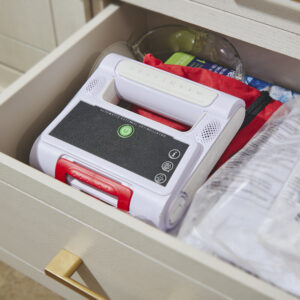
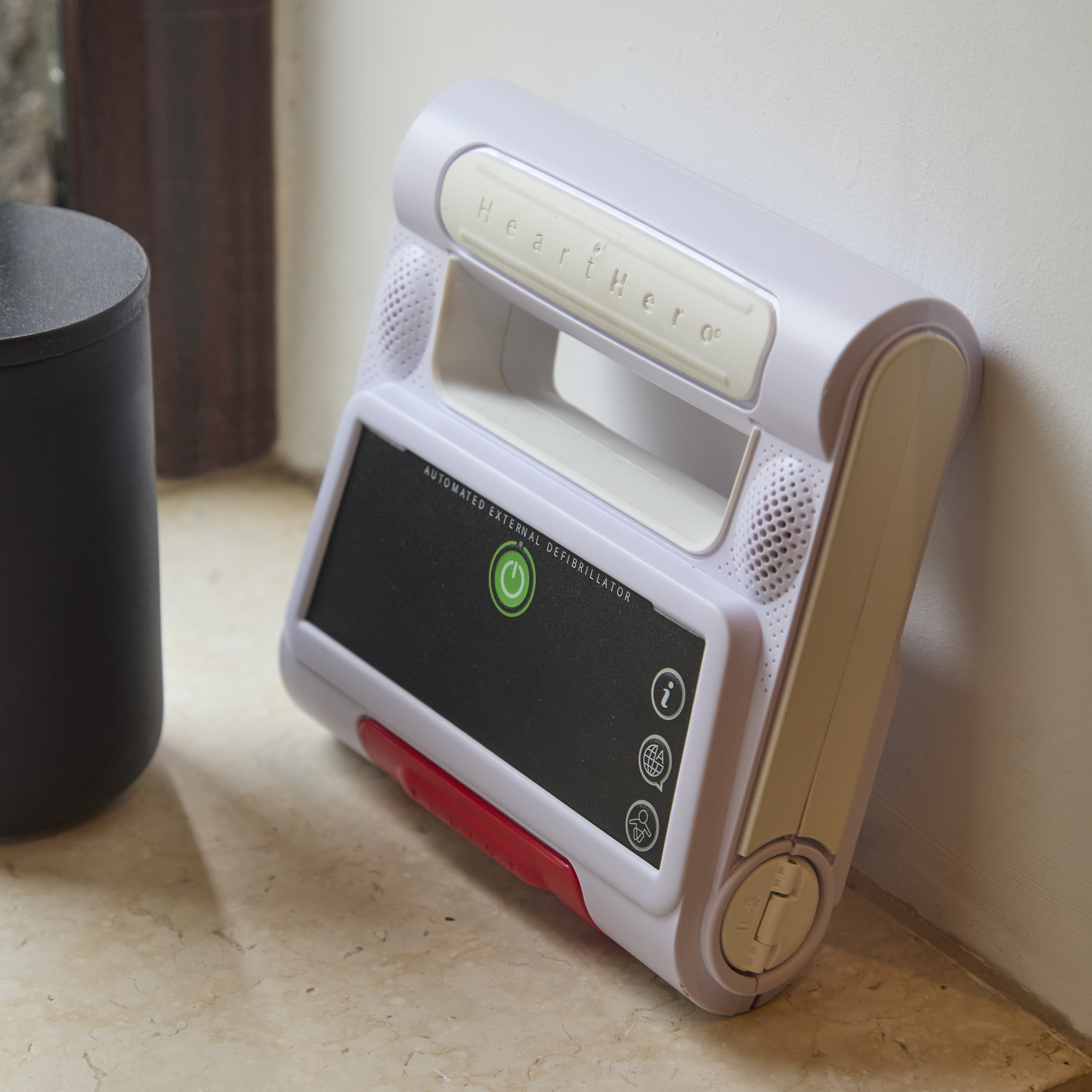
Having an at-home automated external defibrillator (AED) keeps you and your loved ones prepared throughout the year, including when risk is highest. To learn more about HeartHero, visit our Product page or call 01252 985717 and speak with our friendly team
Hear how HeartHero makes a difference
-
Read more: How to support Heart Health during the winter

How to support Heart Health during the winter
According to the British Heart Foundation, heart attacks are more common during the coldest season¹. During this time of year,…
-
Read more: Defibrillator myths debunked: Time for some fact-finding!

Defibrillator myths debunked: Time for some fact-finding!
Some 80% of cardiac arrests happen at home. This blog article was written to debunk the most common defibrillator myths…