Defibrillator myths debunked: Time for some fact-finding!
You may know that a defibrillator is an essential piece of lifesaving equipment – and that’s enough information to make it worth knowing more.
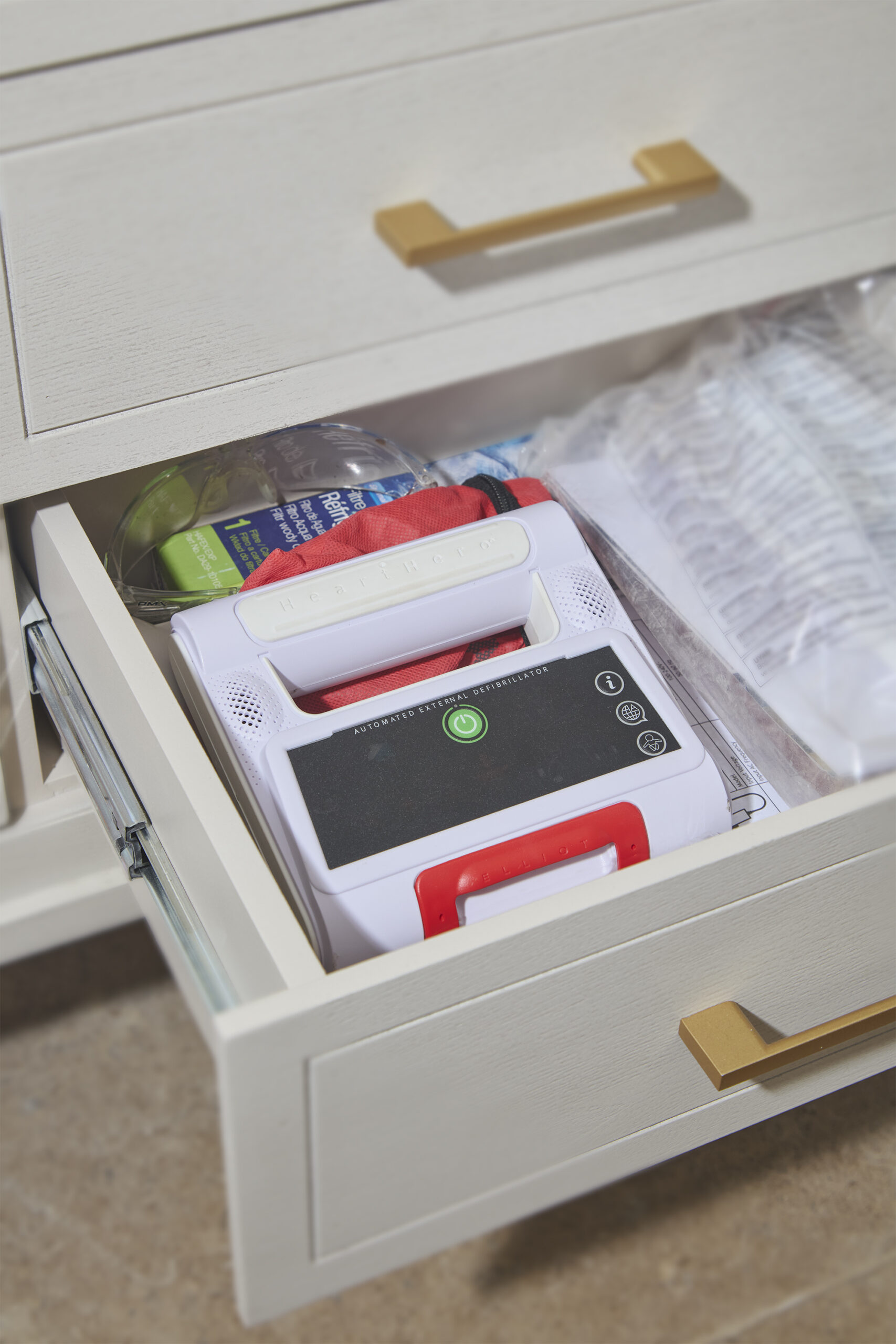
A portable automated external defibrillator (AED) is a user-friendly device designed to treat sudden cardiac arrest. It does this by analysing your heart rhythm and delivering a shock to restore a normal heartbeat if needed.
The fact is that an AED – or defib, as it is often called – can be used by anyone. But it also risks being misused, due to a number of false assumptions.
Some 80% of cardiac arrests happen at home. This blog article was written to debunk the most common defibrillator myths for those with a defib in their house or apartment, as well as users relying on the device outdoors and on holiday.
You’ll read accurate information on what an AED is and how they are used. That way, you can grow more confident about utilising the lifeline that’s in your hands.
Let’s get going, then…
1. Do AEDs have hand-held paddles?
As far as defibrillator myths go, this might be number one.
TV shows and movies might have to take the blame for this one. Unlike what we see on-screen, defibrillators don’t have a pair of handheld paddles that are placed on the chest.
If you have ever seen the defib user shout “clear” or the body of the patient spasming violently upwards when the shock is administered, note that this doesn’t happen with at-home AEDs such as HeartHero.
In reality, what happens is this. An automated external defibrillator comes with a pair of electrode pads. The device will scan the body of you or your loved one – while lying chest down – before delivering the shock. That’s unless Manual Mode, which requires you to press a button, is on. When the shock is received, the body will simply stiffen up.
The defibrillators with paddles that you may have seen are used in hospitals, but they are usually larger. Compared to the equipment used in your favourite medical series, an at-home, portable AED is more low-key, less dramatic, but still a vital device.
2. Are defibrillators for treating heart attacks?
This is a common misunderstanding. And it arises because of differences between a heart attack and a cardiac arrest.
A heart attack – also known as a myocardial infarction – occurs when blood flow to the heart muscle is blocked. The heart usually continues to beat, but the muscle is damaged due to a lack of oxygen.
Cardiac arrest happens when the heart suddenly stops pumping blood effectively due to an electrical malfunction.
Different types of defibrillators are designed to treat cardiac arrest caused by specific abnormal heart rhythms. Using your portable AED defibrillator will deliver an electric shock to reset the heart’s electrical activity, giving it a chance to resume a normal rhythm.
3. If you use a defibrillator, can it make things worse?
Definitely not.
If you aren’t sure whether to defibrillate, your HeartHero AED will be. After connecting the electrodes, if the AED finds that the heart rhythm isn’t shockable, it won’t deliver a shock.
AED defibrillators are easy and safe to use. The device gives you visual and audio prompts to guide you through the entire process and prevent misuse. If, after reading the person’s heart rhythm, HeartHero determines a shock is necessary, it will warn the user to stand back.
The bottom line? Defibrillating will never make things worse. It can, however, make things better – by saving you or your loved one’s life.
4. Does using a defibrillator near water risk electrocution?
Negative.
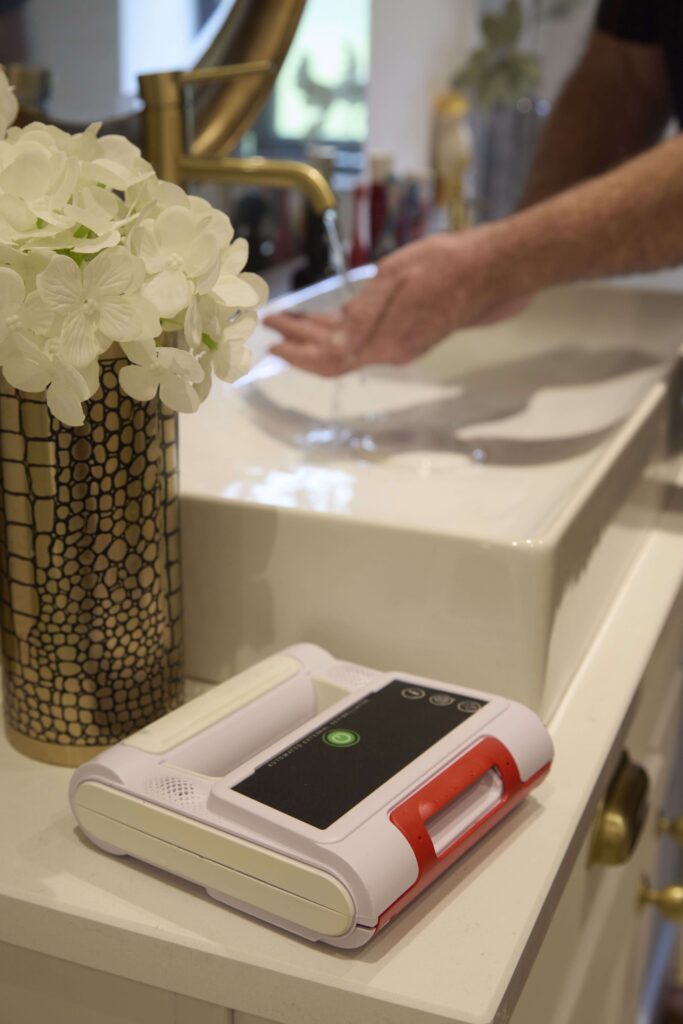
What is undoubtedly true is that water and electricity don’t mix. Before using your portable defibrillator, it makes sense to move away from any puddles, pools, or the sea.
It’s also a good idea to remove any wet garments and ensure that the skin is dry before the defib is used. The reason for this is so that electrodes can stick in place and function as they should.
Despite these best practices, defibrillators won’t cause electrocution. That’s even if your or your loved one’s body isn’t completely dry.
5. Does using a defibrillator require a lot of training?
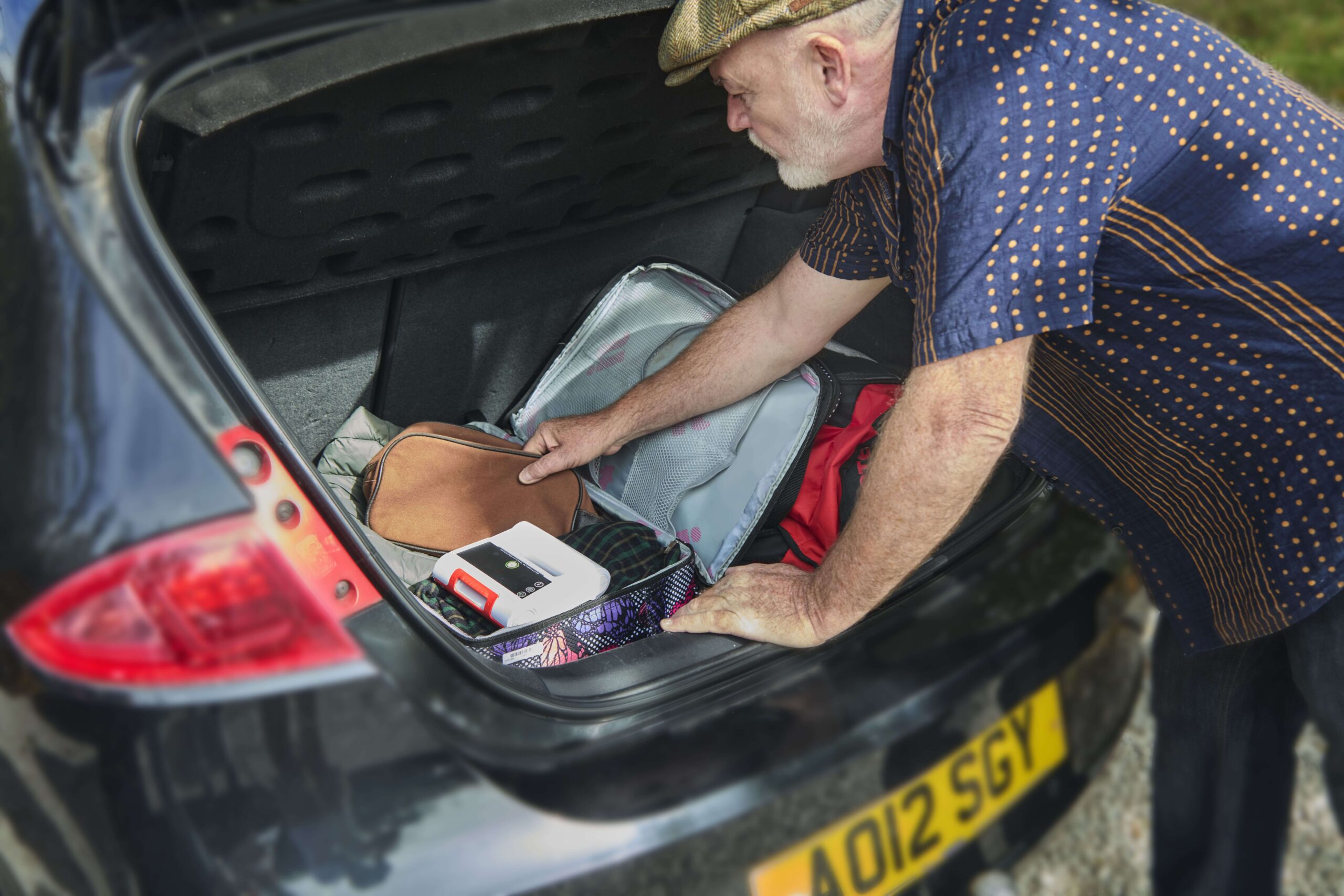
At-home defibrillators such as HeartHero do not require you to undergo training, and you don’t need a medical background. The controls are designed to be user-friendly, and you will also have clear visual and voice instructions to guide you every step of the way.
No formal training is needed. There are clear illustrations on the front of the defibrillators with lights next to them, and voice guidance which instructs the user clearly at each stage of the process.
For those who would like additional resources, with HeartHero, you also get an app that includes training videos and access to classes.
6. Considering an at-home AED?
We hope this article has gone some way to demystifying at-home AEDs, a piece of equipment which can deliver critical care at any time. When it comes to a life-saving intervention, every second counts.
Give you and your loved ones priceless peace of mind.
Hear how HeartHero makes a difference
-
Read more: How to support Heart Health during the winter

How to support Heart Health during the winter
According to the British Heart Foundation, heart attacks are more common during the coldest season¹. During this time of year,…
-
Read more: Defibrillator myths debunked: Time for some fact-finding!

Defibrillator myths debunked: Time for some fact-finding!
Some 80% of cardiac arrests happen at home. This blog article was written to debunk the most common defibrillator myths…